
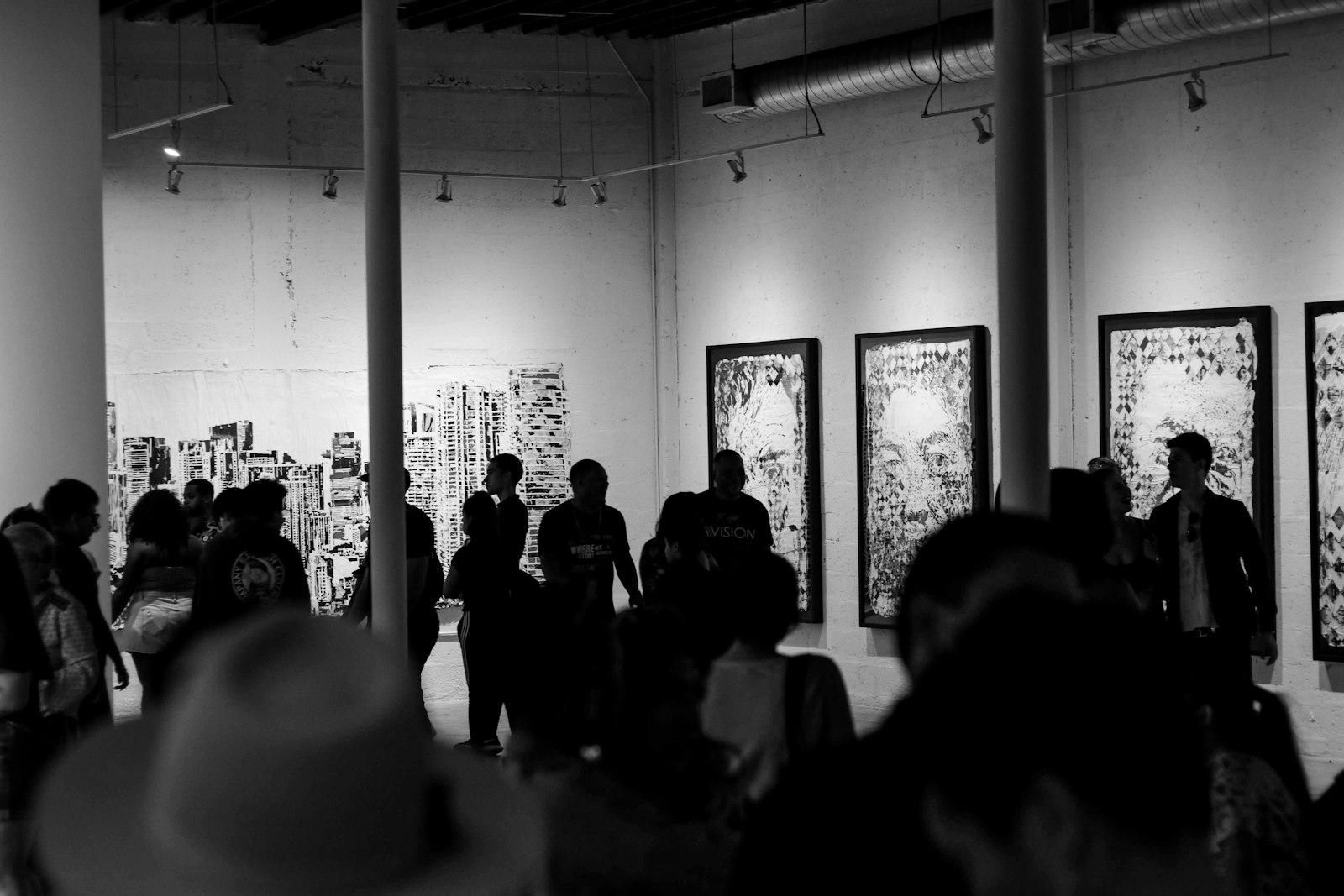
Why I like the idea of going to a museum on a Saturday evening, without feeling we have to understand everything
The night when all of Zurich becomes a museum
There are places we walk past for years, always thinking: I will go in some other time. Zurich has many of them. The museum we watch from the tram, the small gallery in a street we often walk down, the building whose name we know although we have never checked what actually lies behind its doors. Everyday life makes what is available to us almost invisible, so sometimes we need a special occasion to look at our own city through the eyes of someone who has only just arrived.
That is why the Lange Nacht der Zürcher Museen is one of my favourite Zurich events at the beginning of autumn. This year it takes place on Saturday, 5 September, from the early evening hours until deep into the night. The city takes on a completely different cultural rhythm: museums extend their opening hours and prepare special programmes, guided tours, talks, music and things that do not happen during an ordinary visit. The very idea of entering one museum at six in the afternoon and leaving a completely different one after midnight already changes the way we experience these places.
Museums have always interested me precisely because they do not ask of us the same form of attention as theatre or film. At a performance we sit until the end, in the cinema we follow the story from the first scene to the last, while through a museum we can move at our own pace. We can stay in front of one painting for twenty minutes and pass the next ten almost without stopping. Sometimes we are drawn by a work of art, sometimes by the story of an object, and sometimes simply by the space we find ourselves in. Nobody can prescribe what has to touch us.
I also like the Lange Nacht because it breaks down that small unease many people still feel in front of contemporary art. I often hear someone say they "do not understand" art and therefore do not go to museums. As if in front of a painting there were a correct answer we have to find. On the contrary, the experience is much more interesting when we allow ourselves simply to look at something and see what happens. We may like it, it may irritate us, it may leave us completely indifferent. All of these are legitimate reactions.
This year's programme gives plenty of reasons to set out without a big plan. The Migros Museum für Gegenwartskunst, for example, is preparing a programme that includes a family tour, multilingual storytelling, a concert and late-night visits. During its "Lange Nacht mit allen Sinnen", the Stadtgärtnerei invites visitors to experience nature with all their senses — through scents, plants, night-time greenhouses and even a virtual journey into the world of bats. Things like these are a good reminder that a museum long ago stopped being just a quiet hall where we stand at a polite distance from the exhibits.
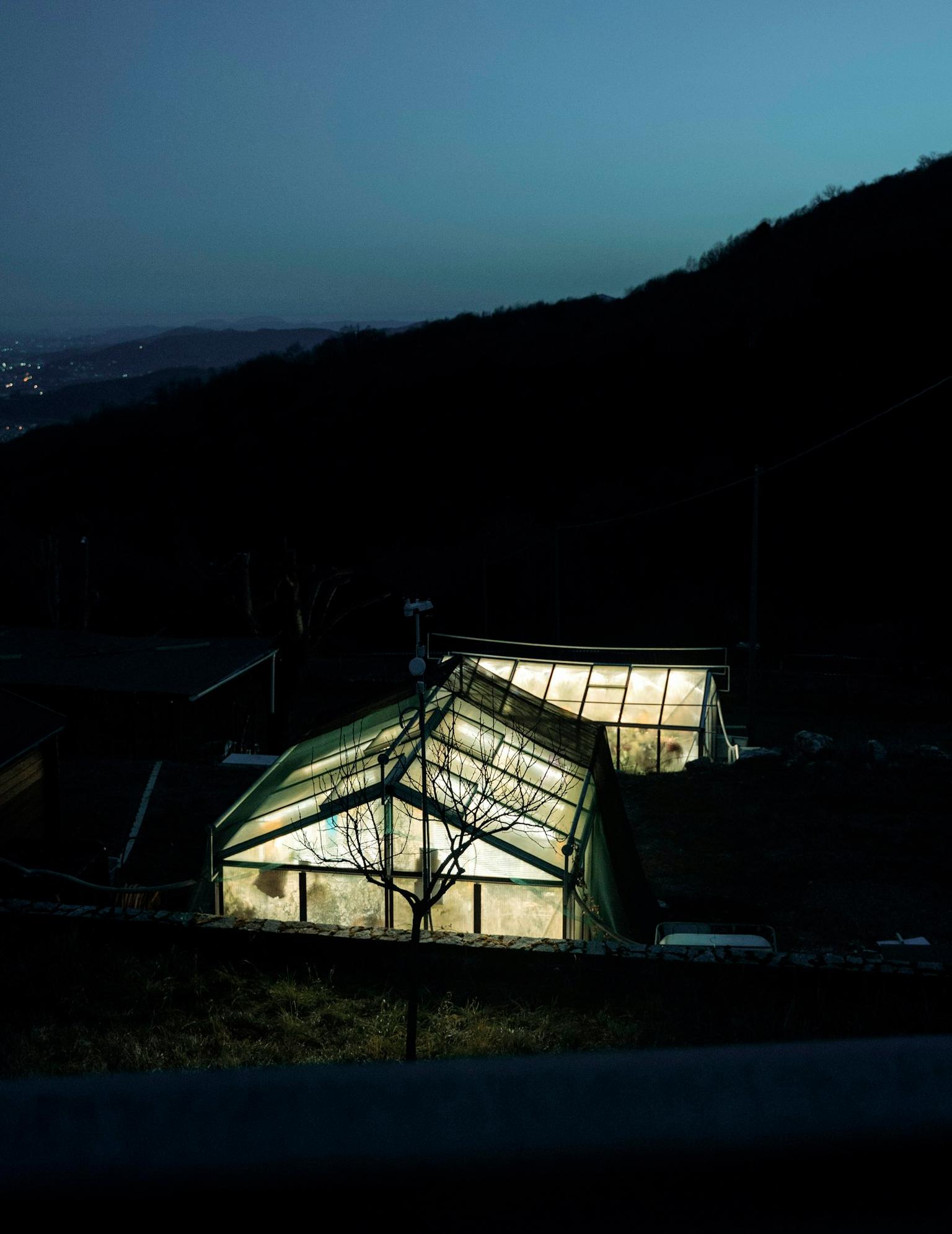
When you live in one city for a long time, it is easy to develop a routine of visiting the same cultural places. We know our cinemas, theatres and museums, we return to where we feel comfortable, and less and less often do we take a risk on something we know nothing about. That is why this night appeals to me as a small cultural challenge: to choose at least one place we have never been to. It may become our new favourite spot, or after half an hour we may conclude that it is not for us after all. Either way, it is better than walking past closed doors for years, promising ourselves that one day we will go in.
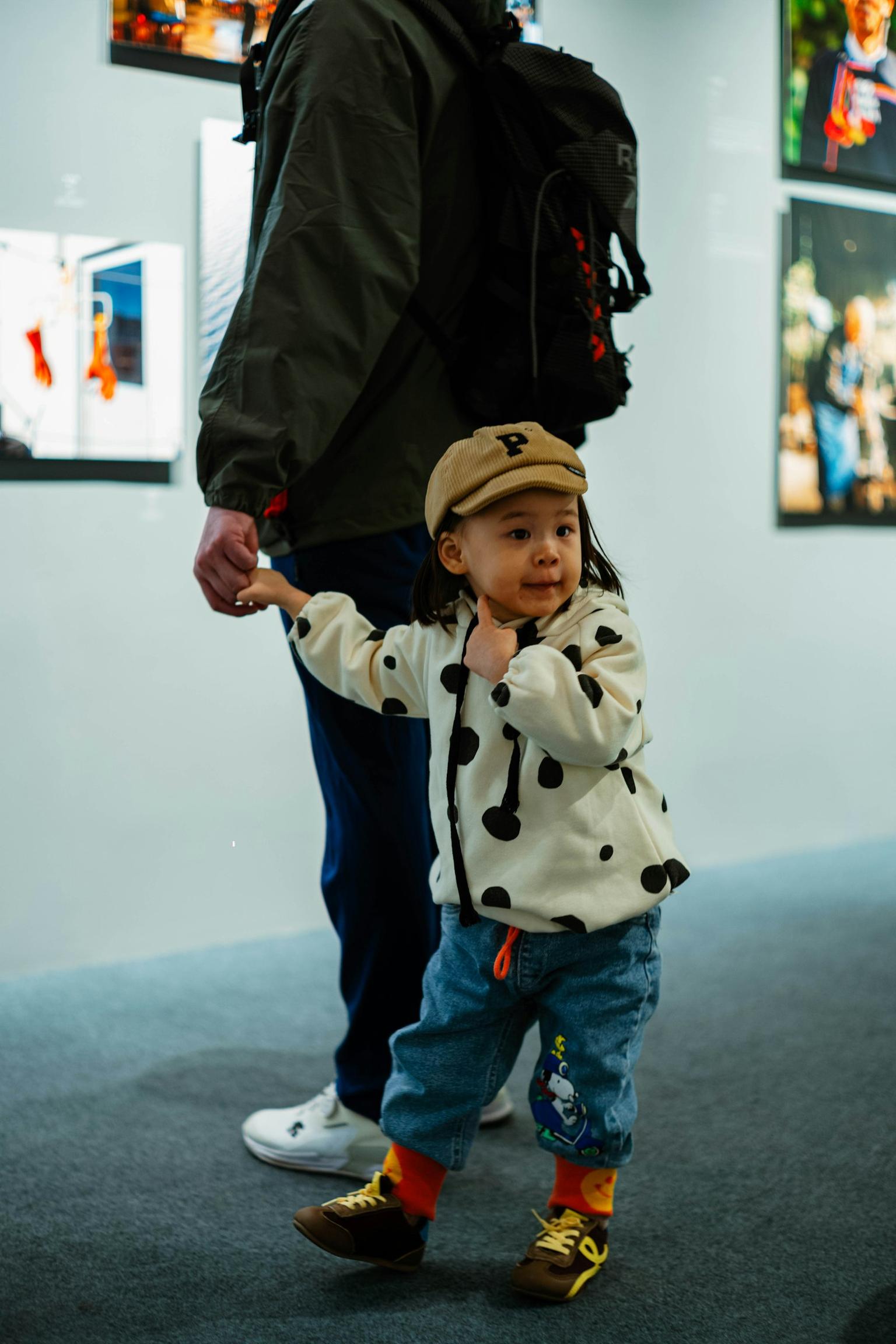
I would especially recommend that parents look at the programmes intended for families. Children often experience a museum far more freely than adults. They do not worry about whether they know enough, they ask direct questions and have no trouble saying that a painting seems strange to them. When culture becomes a space of curiosity for them from an early age, rather than a place where they must be especially serious, there is a good chance they will return to it later, gladly and of their own accord.
September is, in any case, the month when Zurich slowly returns from its summer mood to the cultural season. The evenings grow a little cooler, people come back from their holidays, new exhibitions and programmes open, and the calendar fills up again. The Lange Nacht is a lovely way for that transition to begin without hurry: we go out into the city, step into a few spaces we might otherwise never enter, and allow something to surprise us.
If you find yourself in Zurich on 5 September, my advice is not to try to see everything. Choose two or three places, leave enough time between them for a walk and a conversation, and do not turn the cultural night into a marathon. The finest things we carry away from a museum are often quite small: one painting we later try to describe to someone who was not with us, an unusual story from a curator, or the feeling that in a city we know well we have found one more space we never knew existed.
— Evica
Our stories
Why people from the Balkans leave so often, yet find it so hard to stop thinking about it
Evica Marković1 October 2026When you have lived away from the country you came from for a long time, your relationship with it becomes more complicated than you imagined at the start. Distance sometimes sharpens the view and sometimes clouds it with nostalgia…
Read moreEleven days when Zurich lives through film
Evica Marković23 September 2026Every autumn the area around Sechseläutenplatz changes almost overnight. Festival signs appear, queues form in front of the cinemas, around town you hear more and more conversations about films nobody has had the chance to see yet, and people who might otherwise never meet end up in the same auditorium because they picked the same title from the programme…
Read moreWhen design steps out onto the streets of Zurich
Evica Marković17 September 2026There are things we use every day and almost never think about. The chair we sit on, the glass we drink water from, the sign at the stop that tells us where to go, the light in a restaurant that keeps us there longer than we planned, or a poster on the street that makes us stop…
Read more

FAQ
Frequently asked questions.
HELSE is a Swiss cultural association that fosters exchange between Switzerland and Serbia. Through theatre, film, music, stand-up and children's workshops we build cultural bridges — alive, inspiring and open to everyone.
Our programme is diverse: theatre performances, film screenings, stand-up comedy, concerts, readings, seminars and children's workshops.
Events run year-round — the current schedule lives in the Events section.
Tickets are sold online via each event's page and, for some programmes, at the door before the show. HELSE members receive discounts on selected events.
Membership is open to anyone who wants to support the association. The annual fee is CHF 70, with reduced rates for students and pensioners.
Sign up via the Membership page — for any additional questions, write to info@helse.ch.